Kit validation
A platform for clubs to get their kits validated by the FEB
- For
- Spanish Basketball Federation
- Role
- Product design and AI-assisted development
- Team
- Just me, in constant contact with competitions and marketing
- Tools
- Figma · Lovable · PostHog
- When
- 2025 – 2026
Context
Clubs in FEB competitions have to get their kits validated by the federation. A team from the competitions and marketing department handles this.
The problem
Everything went through an endless stream of emails with the clubs: information got lost and the process got out of hand. On top of that, marketing and competitions reviewed different things, and if marketing rejected a kit, competitions had to review it again.
My role
I designed and developed the platform on my own, in Lovable: I decided how to build it and relied on AI to write the code. That way I tested the flow up and running, not in a static prototype, and took it to production without waiting for a free slot in development.
I started by understanding in depth how kits had been validated until then, and I stayed in constant contact with competitions and marketing throughout the project.
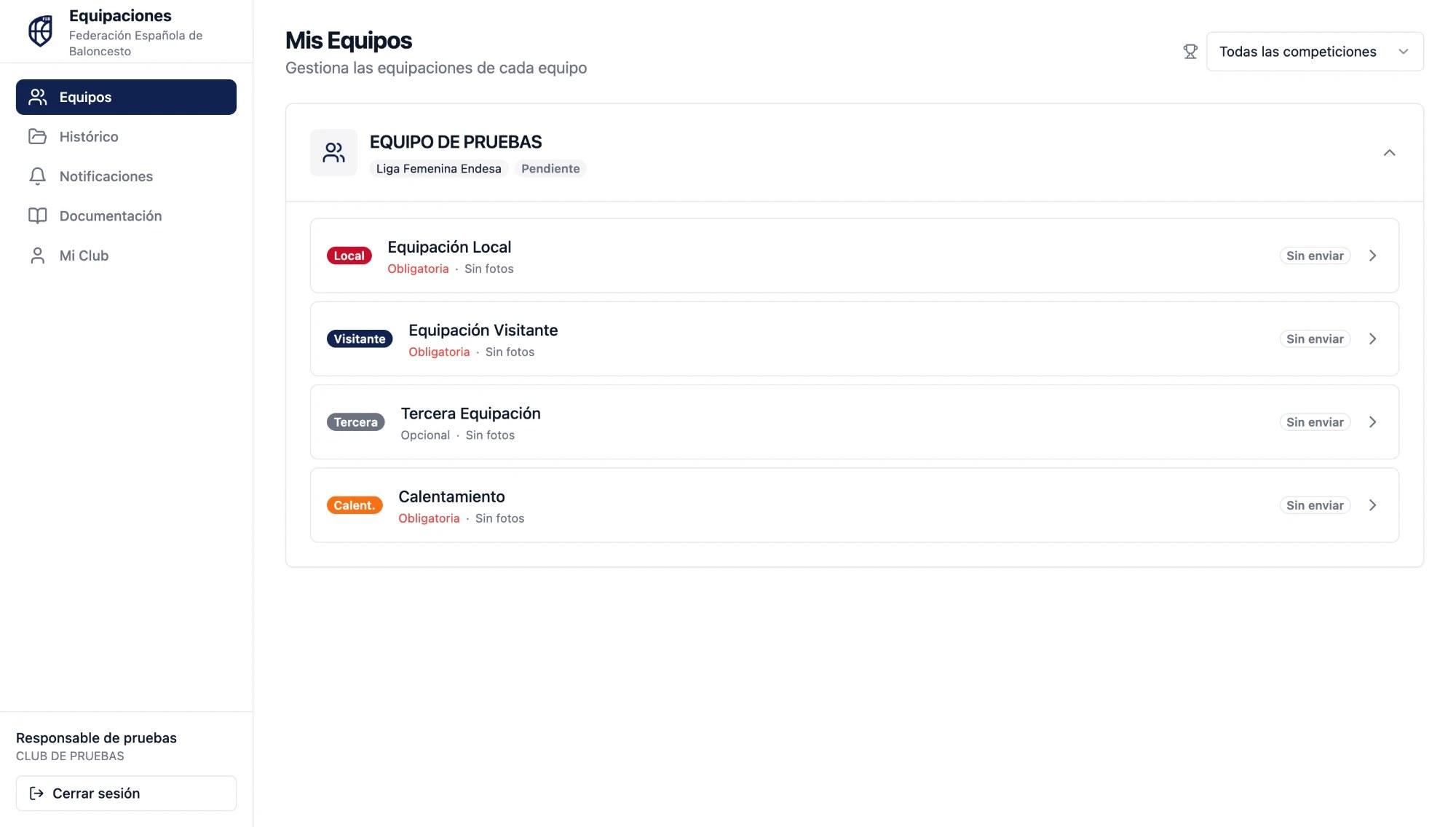
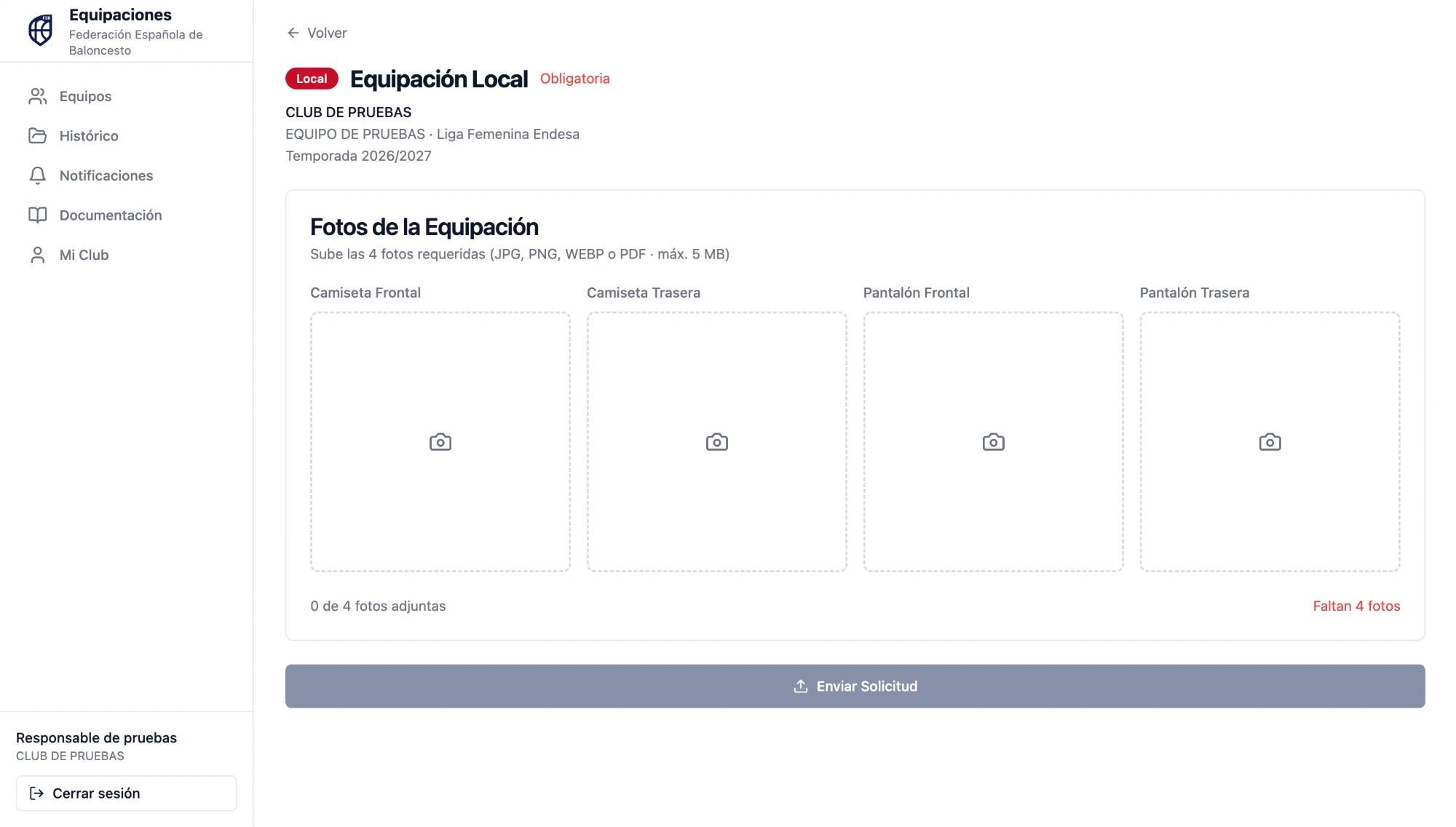
The platform
The validation process and the announcements and updates for the clubs are now all in one place.
Before, by email
- 1
The club sends its proposal by email.
- 2
Marketing and competitions review it separately: each looks at different things.
- 3
If marketing rejects it, competitions has to review it again.
- 4
Endless threads: lost information and chaos.
Now, on the platform
- 1
The person who manages the team signs in with two-step verification and an access token.
- 2
They check the rules and upload the kit on the platform.
- 3
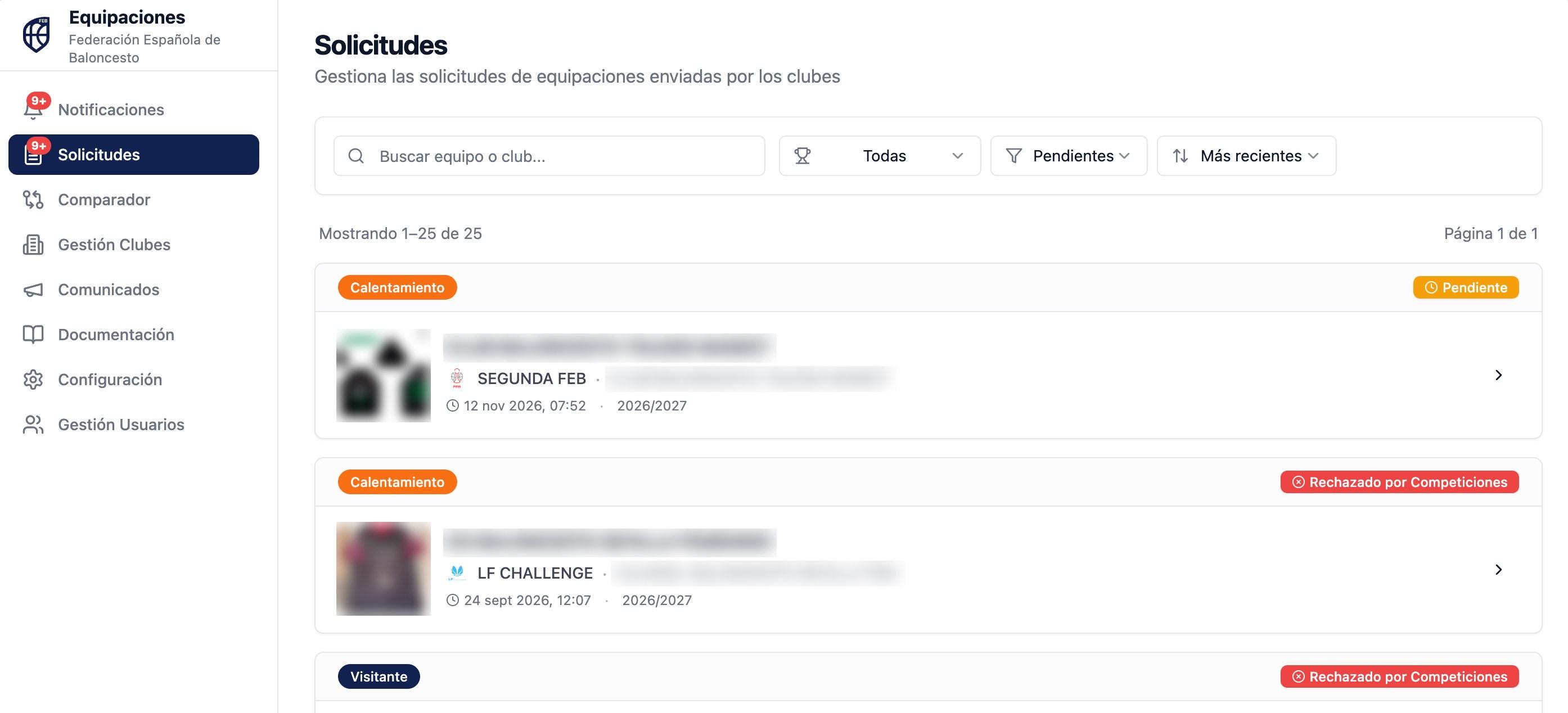
The FEB team reviews it from a dashboard with roles and permissions.
- 4
The club sees the status of each request and gets the notifications.
- 5
The kit is stored in the team's history.
Validated
The hard part: giving access to the right person
The platform is connected to the FEB's large database. When signing up, each person had to land in their club and, within it, in the team they look after, with the role of kit manager. And a club can have several teams, in different categories or competitions.
I solved it with two-step verification and an access token. Each user is linked to their team within the club, so communication goes straight to the person in charge of that team.
Measuring where users get stuck
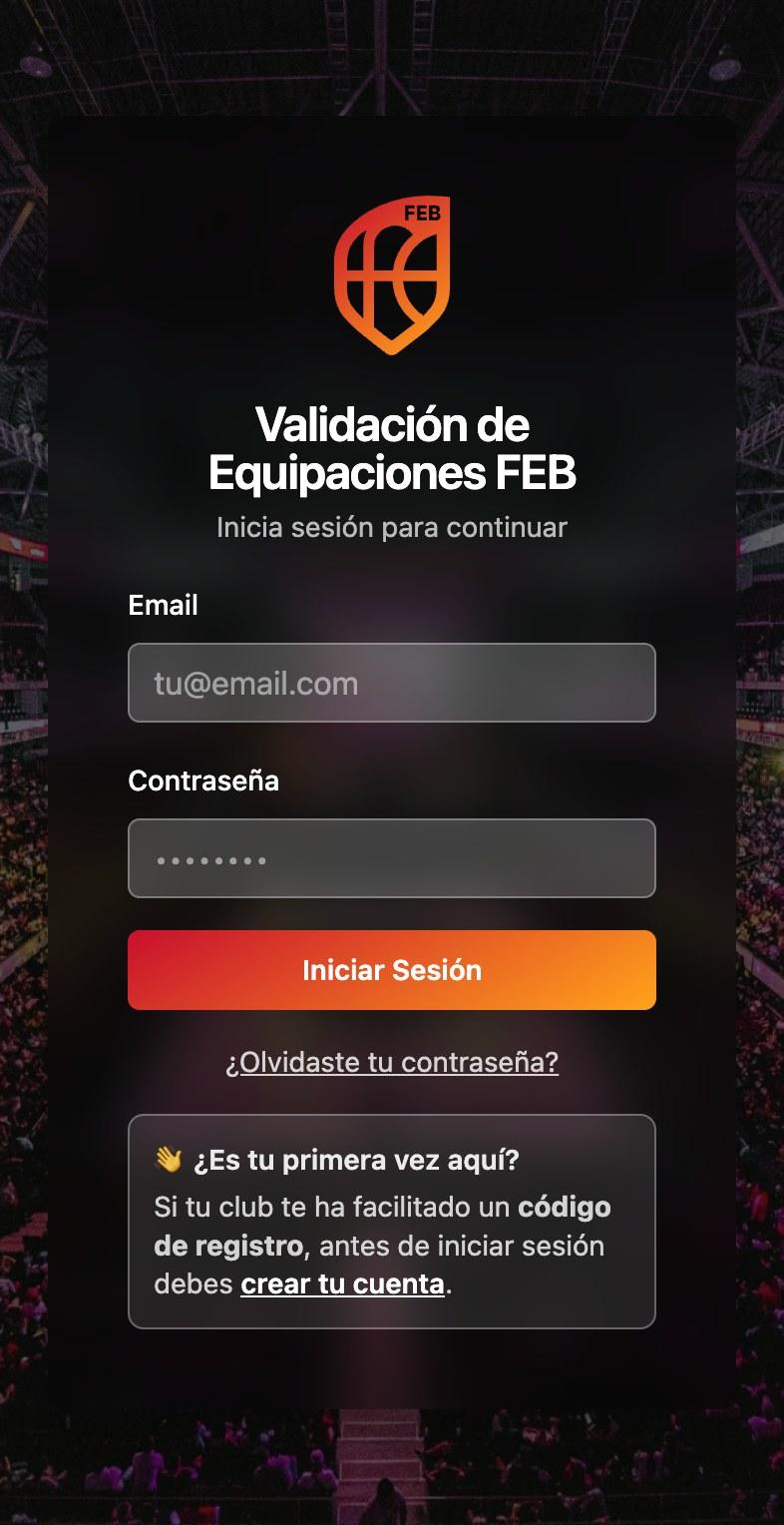
The people who use the platform at the clubs don't have a technical background. That's why I used PostHog to study their behavior at the two key moments: registration and kit upload.
That's how I saw that less technical users didn't read the note on the sign-in screen: the first time, they had to go through a different link to create their account and join their club. That brought us quite a few support emails. I added a clearly visible notice explaining it, and the problem went away.
A color comparison tool
Based on the hex code of each color, an algorithm calculates whether the kits of two teams playing each other contrast enough.
#1F3A8A
Home
#F1EEE6
Away
Enough contrast
#1F3A8A
Home
#2C4F9E
Away
Not enough contrast
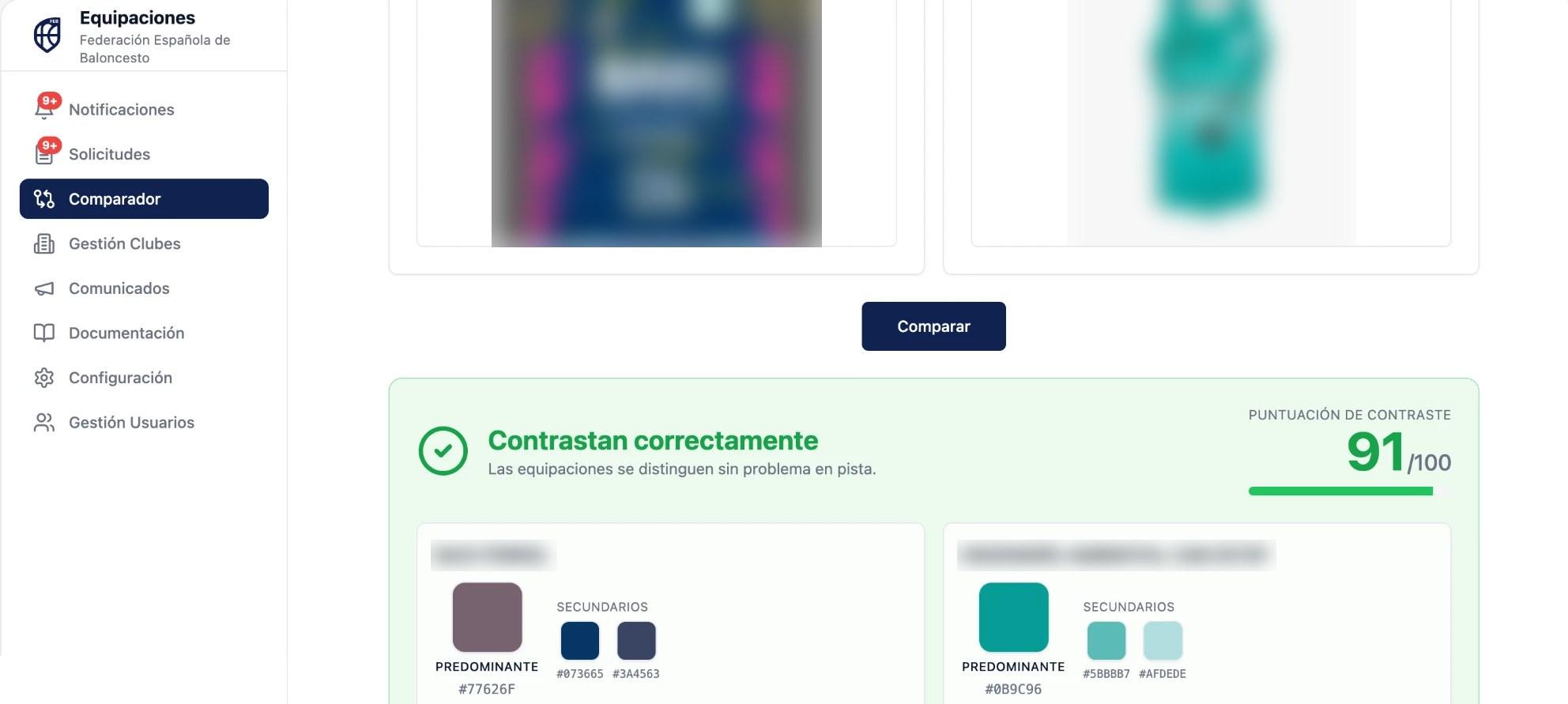
The final decision is always made by an FEB employee.
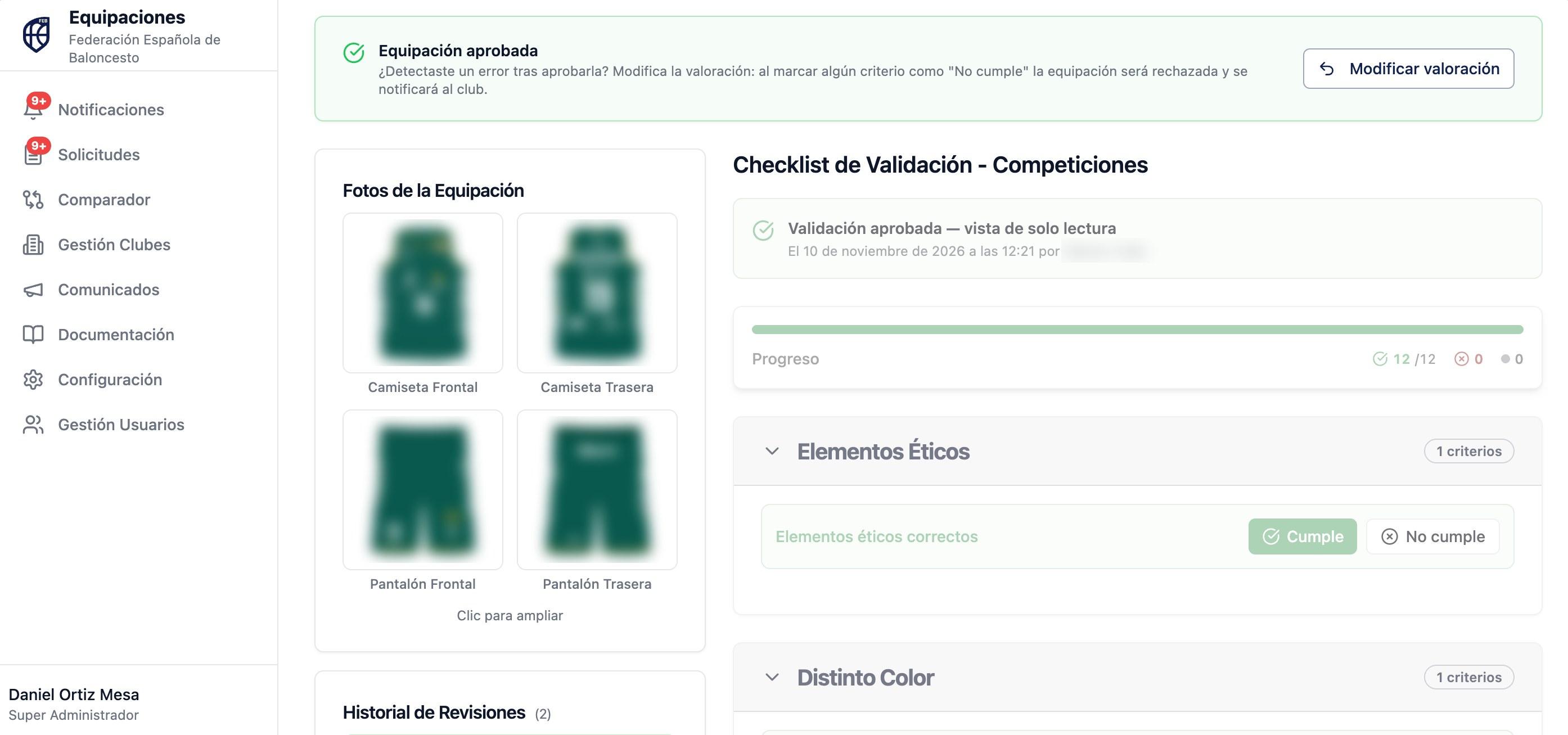
Results
Its first season
Since May 2026 it has already received 674 requests for the 2026/2027 season, from every category, including Primera FEB and the Liga Femenina Endesa.
313 clubs
Signed up since September 2025.
A standardized process
What used to be very inefficient is now much faster.
Well received
The competitions team has been very happy with it.
What I learned
- Digitizing a process isn't swapping email for a form: it's deciding who reviews what, and in what order.
- With non-technical users, the hard part is access: getting each person to their club and their team. And explaining it isn't enough; it has to be obvious at first glance.
- An algorithm helps you decide, but it doesn't replace the person reviewing.
Let's talk.
I can walk you through any of these projects in more detail, including the screens I can't publish here.